
Hello Bookworms, if the title has confused you, Severance is a show. Now don’t get confused, I’m not here to force you to watch Severance. I’ve never liked when people insist on pushing popular shows onto me. But by the time you finish reading, I suspect you’ll be at least intrigued by what this show brings to the table.
To put it simply, Severance follows Mark Stout, an employee at Lumon Industries who has undergone a surgical procedure called “severance.” This procedure splits his consciousness in two. His Innie is the version of Mark at work, with no memories of the outside world, while his Outie is the version outside of work, who has no idea what he does all day. Despite both being Mark, these two versions are vastly different individuals.
Mark’s Innie exists solely within Lumon’s fluorescent-lit hallways, performing cryptic tasks and swallowing cheery corporate platitudes about “the work being important.” This version of Mark is constantly reminded of the company’s ethos—“The work is mysterious and important. And we deal with the uncertainty it brings us in the way that Kier would’ve wanted. Together, as a family.”—yet he has no real knowledge of what happens outside of Lumon’s walls.
Meanwhile, Mark’s Outie is grieving his wife’s recent death and struggling with loneliness, all while being trapped in a system he unknowingly chose. He endures life’s sorrows and day-to-day struggles without any understanding of why he signed up for severance or what exactly happens during his missing hours at Lumon.
Some might call Severance a thriller, although it’s not necessarily packed with action. Instead, it creates a sense of foreboding by weaving tension into the mundane details. I often have caught myself with goosebumps, in a seemingly very normal scene. Every moment feels deliberate, and the show’s biggest clues often appear fleetingly. It’s easy to miss something important if you’re not paying attention. The experience can feel like being an Innie yourself—hungry for answers but limited in knowledge, never entirely sure what’s really happening or who’s pulling the strings.
The questions this show raises about identity, memory, and control linger with me long after the 50-minute runtime ends. I hope these recommendations leave you just as captivated—and maybe even a little obsessed…
Mark’s Innie:

The Trial by Franz Kafka, is essentially about a man trapped in a system he doesn’t understand, and accused of something he does not remember (ring any bells?)….
The Lathe of Heaven by Ursula K. Le Guin, first off, you can’t go wrong with Ursula! This novel follows a man whose dreams have the power to reshape reality, but his therapist manipulates them to fit his own vision of the world. Much like Innie Mark, the protagonist struggles for control over his own existence. Perhaps this book would not only resonate with him but also spark the courage to rebel.


The Man Who Fell to Earth by Walter Tevis, is perfect for an Innie. Because what is the difference between an Innie and an alien stranded in an unfamiliar world? This novel explores similar themes of isolation, and the erosion of identity.
The Stepford Wives by Ira Levin is a novel centering on submissiveness, and the domestic life. Much like the Stepford wives, Innies are manufactured versions of themselves, stripped of autonomy, and molded into obedient workers.


Metamorphosis by Franz Kafka is the ultimate book for Mark. An Innie must feel exactly as described in the book, awakened to an existential nightmare. I feel as though this book would give Mark an eerie feeling of familiarity, as he is similarly trapped, with his humanity slowly slipping away.
Mark’s Outie:

The Stranger by Albert Camus follows a man who responds to his mother’s death with the ultimate horror: indifference. Emotionally distant and detached, he drifts through life without questioning his reality, barely engaging with the world around him.
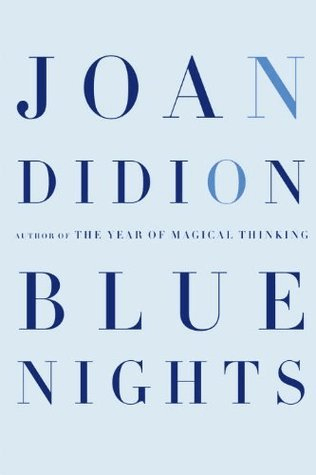
Blue Nights by Joan Didion is another powerful grief memoir, but this one focuses on life in the shadow of loss and the relentless passage of time. What does one do upon realizing that time does not wait for healing? This book doesn’t offer easy answers, but it deeply explores the question.
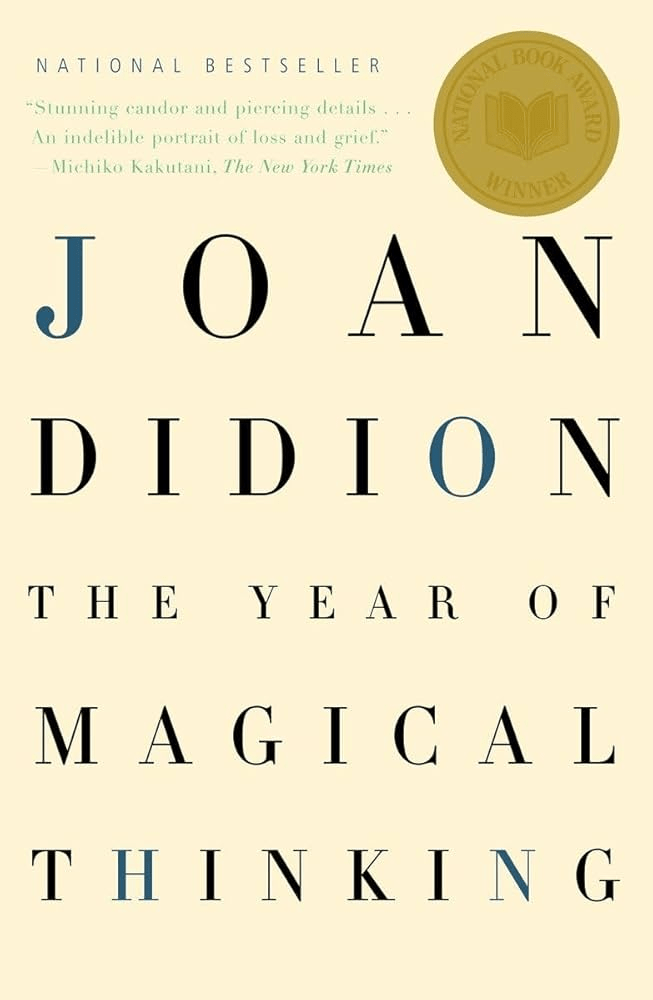
The Year of Magical Thinking is, yes, another book about grief—but this one is about intellectualizing it rather than feeling it. Many of us, especially those who consider ourselves self-aware or rational, fall into this pattern. Struggling with acceptance—especially the acceptance of death—feels nearly impossible. But it is something we must all face. Otherwise, we risk living in a false reality, and that might be even more painful than death itself.
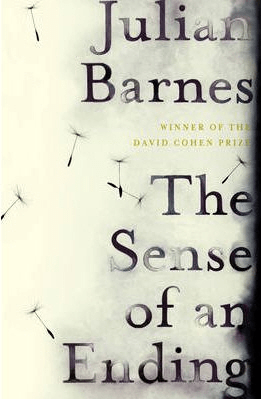
The Sense of an Ending, is just as it sounds, all about re-examining the past, and coming to terms with our loss of control as humans. The illusion of control is comfortable for us all, but this is simply false comfort, and only exists on the surface. So if we are not the authors of our own stories, who is?
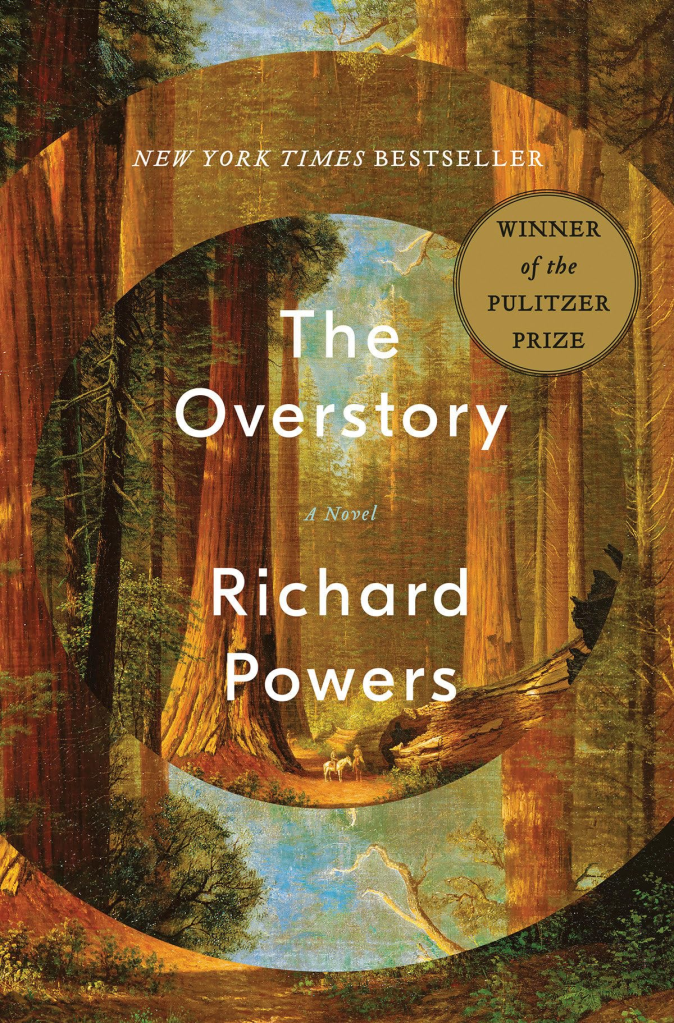
The Overstory, beyond having a breathtaking cover, is an engaging read, that Mark may have delved into prior to being severed. As a philosophical, lyrical and existential read, this novel follows themes that Mark, in another life, might have once loved to explore.
A few other thrillers, just for interest:
- Piranesi by Susanna Clarke
- CivilWarLand in Bad Decline by George Saunders
- Ubik by Philip K. Dick
- The Memory Police by Yōko Ogawa
- Dark Matter by Blake Crouch
- The Circle by Dave Eggers
- Tenth of December by George Saunders
Thanks for reading!


 Reading On A Star
Leave a reply to Reading Blog: Fantasy Book Haul, Book Blogging & Winter Reading | 24hryabookblog Cancel reply